
Burbank's Insulation Contractor for Airport Noise and Valley Heat
Burbank homeowners deal with a combination of challenges most Los Angeles-area cities don’t share: direct flight paths from Hollywood Burbank Airport passing over residential neighborhoods, San Fernando Valley heat that pushes attic temperatures well past 150°F, and a housing stock spanning 1920s-1940s Spanish and Storybook-style homes to 1950s-1960s ranch construction, much of it built with minimal original insulation. Air Tight Insulation of Burbank exists to address both sides of that equation, helping homeowners cut cooling costs and reduce the noise intrusion that comes with living in one of the region’s most flight-path-exposed communities.
We’ve spent more than 10 years installing insulation throughout Burbank and the surrounding area, and that means we understand exactly how little insulation many of the city’s older homes were built with, what California’s Title 24 energy code now requires for attic and wall R-values, and how genuinely disruptive Hollywood Burbank Airport’s flight paths are for homes in specific neighborhoods. Homeowners throughout Burbank, Glendale, and North Hollywood trust us because we address the actual problem, whether that’s a hot attic, an empty wall cavity, or a living room that shakes every time a plane passes overhead.




Why Burbank Homes Need Both Thermal and Acoustic Insulation Upgrades
Understanding what Burbank’s heat, flight path exposure, and older construction actually demand from insulation isn’t optional if you want a home that stays comfortable, quiet, and efficient.
San Fernando Valley Heat and Direct Flight Path Noise
Burbank sits in the eastern San Fernando Valley basin, where summer highs regularly exceed 90-95°F and attic temperatures under direct sun climb well past 150°F, pushing heat straight through under-insulated ceilings into the rooms below. On top of that thermal challenge, Burbank hosts Hollywood Burbank Airport directly within city limits, and homes under or near its flight paths experience frequent, noticeable aircraft noise that standard construction was never designed to block. Unlike cities where noise or heat is the only real insulation driver, Burbank homeowners frequently need both problems solved together, since a home near the airport is often also an older home with inadequate thermal insulation in the first place.
A City Built From 1920s Storybook Homes to 1960s Ranch Construction
Burbank’s residential character reflects several distinct building eras: charming 1920s-1940s Spanish Colonial and Storybook-style homes concentrated in neighborhoods like the Rancho district, postwar 1950s-1960s ranch-style homes throughout the flatter sections of the city, and hillside homes in the Verdugo Mountains foothills to the north and east. Many of the older homes in Burbank’s historic pockets were built with little to no wall insulation and minimal attic insulation by current standards, and even homes from the 1960s often fall well short of what California’s Title 24 code now recommends for this climate zone.
City of Burbank Permitting and Title 24 Requirements
Burbank is its own independently incorporated city with its own building and safety department, separate from the City of Los Angeles, and any insulation work tied to a permitted remodel or addition must meet California’s statewide Title 24 energy code requirements for attic, wall, and floor R-values. Insulation-only projects not connected to other permitted work generally don’t require a separate permit but should still target current Title 24 recommendations for the best long-term efficiency results.
A Market Shaped by the Entertainment Industry and Airport Proximity
A significant share of Burbank residents work in the entertainment and media industry given the city’s concentration of studios and production facilities, and many need functional home recording, editing, or work-from-home spaces that require real acoustic treatment, not just standard wall construction. Combined with the sheer number of homes affected by airport flight paths, Burbank has a genuinely higher demand for acoustic insulation than most comparable Southern California cities.
Common Insulation Problems in Burbank, CA
After more than 10 years and hundreds of insulation projects throughout Burbank, these are the issues we see most often across the city’s different neighborhoods and housing eras.
Aircraft Noise Intrusion Near Hollywood Burbank Airport
What it is: Excessive interior noise from aircraft takeoffs, landings, and overhead flights, caused by standard wall and ceiling construction that offers minimal acoustic resistance to low-frequency aircraft sound.
Why common in Burbank: Hollywood Burbank Airport sits directly within city limits, and neighborhoods under or near its flight paths experience frequent aircraft noise throughout the day, a challenge that standard residential insulation, designed primarily for thermal performance, does very little to address.
Signs customers will notice:
- Noticeable aircraft noise inside the home despite closed windows
- Conversations or phone calls interrupted by passing flights
- Noise that spikes at predictable times tied to flight schedules
- Difficulty with sleep, concentration, or video calls tied to aircraft activity
- Vibration or rattling in windows and light fixtures during low overhead flights
Burbank-specific patterns: Most pronounced in neighborhoods directly beneath or adjacent to the airport’s primary flight paths.
Severity assessment: Moderate, a significant quality-of-life issue that dedicated acoustic insulation directly improves.
Typical solution: Acoustic insulation installation in walls and ceilings combined with sealing gaps that allow sound leakage, engineered specifically for airport noise frequencies.
Insufficient Attic Insulation From Original 1950s-1960s Construction
What it is: Attic insulation that either was installed at minimal levels during original construction or has compressed and lost effectiveness over decades of heat exposure.
Why common in Burbank: A large share of Burbank’s housing stock dates to the postwar ranch-home era, when attic insulation standards were far lower than today’s Title 24 recommendations, and original fiberglass batt insulation naturally compresses over many decades of sustained Valley heat cycling.
Signs customers will notice:
- Noticeably hot upper floors even with air conditioning running at full capacity
- Rising summer cooling bills year over year without any change in usage habits
- Visible gaps, thin spots, or compressed insulation when viewing the attic
- Uneven temperatures between rooms, especially those closest to the attic
- Higher energy bills compared to newer homes of similar size
Burbank-specific patterns: Most pronounced throughout the flatter, postwar ranch-home neighborhoods rather than the hillside areas with generally newer construction.
Severity assessment: Moderate, becoming a significant ongoing cost issue the longer it goes unaddressed.
Typical solution: Removal of old, compressed insulation and installation of new blown-in or batt insulation to current Title 24-recommended R-values.
Empty or Minimal Wall Cavities in Historic Storybook and Spanish-Style Homes
What it is: Exterior wall cavities with little to no insulation material, common throughout Burbank’s older 1920s-1940s neighborhoods.
Why common in Burbank: Burbank’s charming Storybook and Spanish Colonial-style homes in neighborhoods like the Rancho district predate the era when wall insulation became standard residential construction practice, leaving wall cavities essentially empty behind decorative plaster and stucco exteriors.
Signs customers will notice:
- Exterior walls that feel warm to the touch during summer heat or cold during winter
- Noticeable drafts near exterior walls despite no visible openings
- Higher energy bills compared to more recently built homes nearby
- Difficulty maintaining consistent indoor temperature throughout the home
- Noise transfer between rooms and from outside noticeably higher than newer construction
Burbank-specific patterns: Concentrated in Burbank’s oldest, architecturally distinctive neighborhoods rather than mid-century or hillside construction.
Severity assessment: Moderate, a significant ongoing efficiency and comfort loss rather than an emergency.
Typical solution: Injection or blown-in wall insulation installed through small access holes, preserving original plaster and stucco exteriors.
Crawl Space Moisture and Insulation Failure in Older Raised-Foundation Homes
What it is: Missing, damaged, or moisture-compromised insulation beneath raised-foundation homes, often accompanied by pest intrusion.
Why common in Burbank: Many of Burbank’s older homes, particularly in its historic neighborhoods, were built with raised foundations and crawl spaces rather than concrete slabs, and these spaces frequently have minimal insulation, no vapor barrier, and years of accumulated moisture that compromises whatever insulation was originally there.
Signs customers will notice:
- Cold or drafty floors, especially during cooler months
- Musty odors noticeable in rooms above the crawl space
- Visible pest activity during a crawl space inspection
- Higher humidity levels inside the home
- Sagging or damaged insulation visible from the crawl space access point
Burbank-specific patterns: Most common in the city’s older residential neighborhoods with raised-foundation construction.
Severity assessment: Moderate to serious depending on the extent of moisture and pest damage present.
Typical solution: Crawl space encapsulation with a vapor barrier and new insulation installation, paired with pest exclusion where needed.
Poorly Insulated Home Studios and Media Work Spaces
What it is: Inadequate acoustic isolation in rooms converted into home recording studios, editing suites, or video call workspaces, common given Burbank’s entertainment industry population.
Why common in Burbank: With Burbank’s concentration of studio and production industry professionals, a meaningful share of homeowners have converted spare rooms, garages, or dens into home studios or work-from-home spaces without addressing the acoustic isolation that professional-quality sound or video work actually requires.
Signs customers will notice:
- Outside noise, including aircraft and traffic, audible during recordings or calls
- Sound leaking between the studio space and adjacent rooms
- Echo or poor sound quality within the converted space itself
- Difficulty achieving professional-grade audio results despite good equipment
Burbank-specific patterns: Common among entertainment industry professionals working from home throughout Burbank’s residential neighborhoods.
Severity assessment: Moderate, a functional and professional quality issue rather than a structural one.
Typical solution: Dense acoustic insulation installation combined with sealing and, where needed, decoupling techniques to isolate the space from surrounding noise.
Inadequate Garage Insulation Affecting Adjacent Living Space
What it is: Minimal or missing insulation in garage walls and ceilings, particularly relevant where the garage has been converted to additional living space or a home office.
Why common in Burbank: Garages throughout Burbank’s postwar neighborhoods were rarely insulated to living-space standards, and that gap becomes a real comfort, efficiency, and acoustic issue whenever a garage is converted into a bedroom, office, or studio space.
Signs customers will notice:
- Noticeably hotter or colder temperatures in a converted garage space
- Higher energy costs after a garage conversion compared to before
- Uncomfortable temperatures making the space difficult to use consistently
- Noise transfer between the garage and adjacent living areas or outside
Burbank-specific patterns: Especially relevant in neighborhoods with a high rate of garage conversions for home offices or studio space.
Severity assessment: Moderate, a comfort and efficiency issue especially relevant for garage conversions.
Typical solution: Wall and ceiling insulation installation matched to the garage’s current or intended use.
Comprehensive Insulation Solutions for Burbank, CA
Every service we offer is built around Burbank’s specific combination of Valley heat, older housing stock, and genuine airport noise exposure.
Soundproofing and Acoustic Insulation
What we do: Installation of acoustic insulation materials in walls and ceilings specifically engineered to reduce sound transmission, including aircraft noise.
Methods and approach: Dense acoustic insulation batts or spray-applied products designed for sound dampening, often combined with sealing gaps that allow sound leakage and, for home studios, additional decoupling techniques.
Burbank application: Given how many Burbank homes sit under or near Hollywood Burbank Airport’s flight paths, and how many residents need functional home studio space for entertainment industry work, this is one of our most requested services in the city.
Best for: Homes near flight paths, entertainment industry professionals building home studios, and any homeowner dealing with significant outside noise.
Attic Insulation
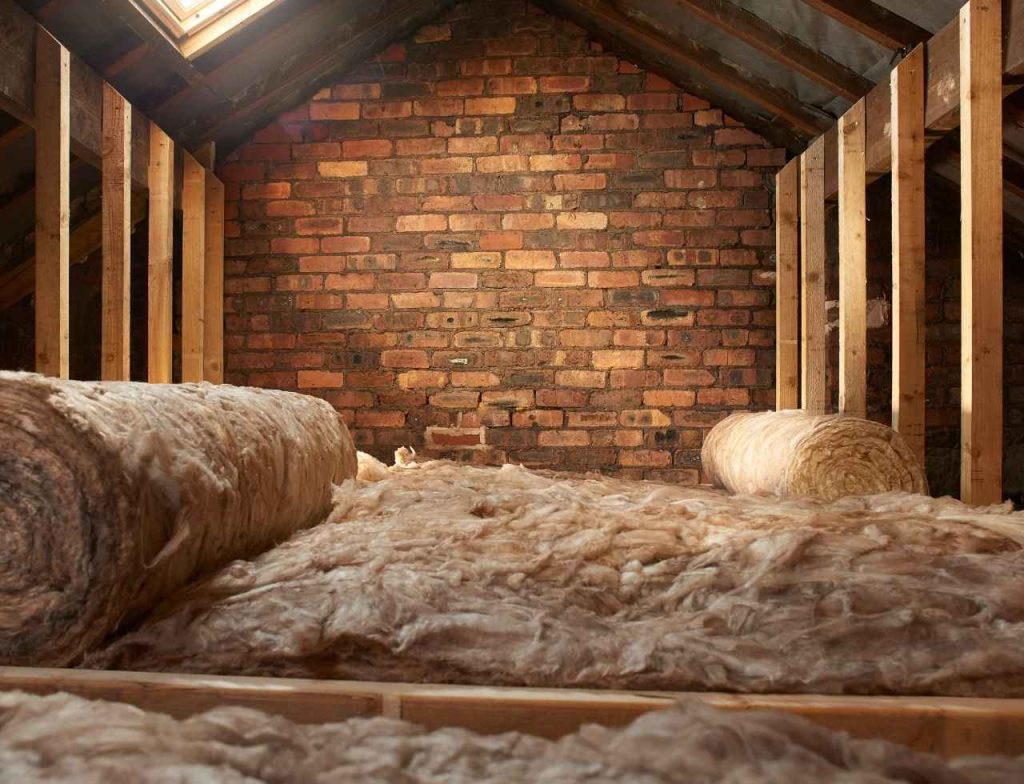
What we do: Assessment, removal of old or damaged insulation where needed, and installation of new attic insulation to current Title 24-recommended R-values.
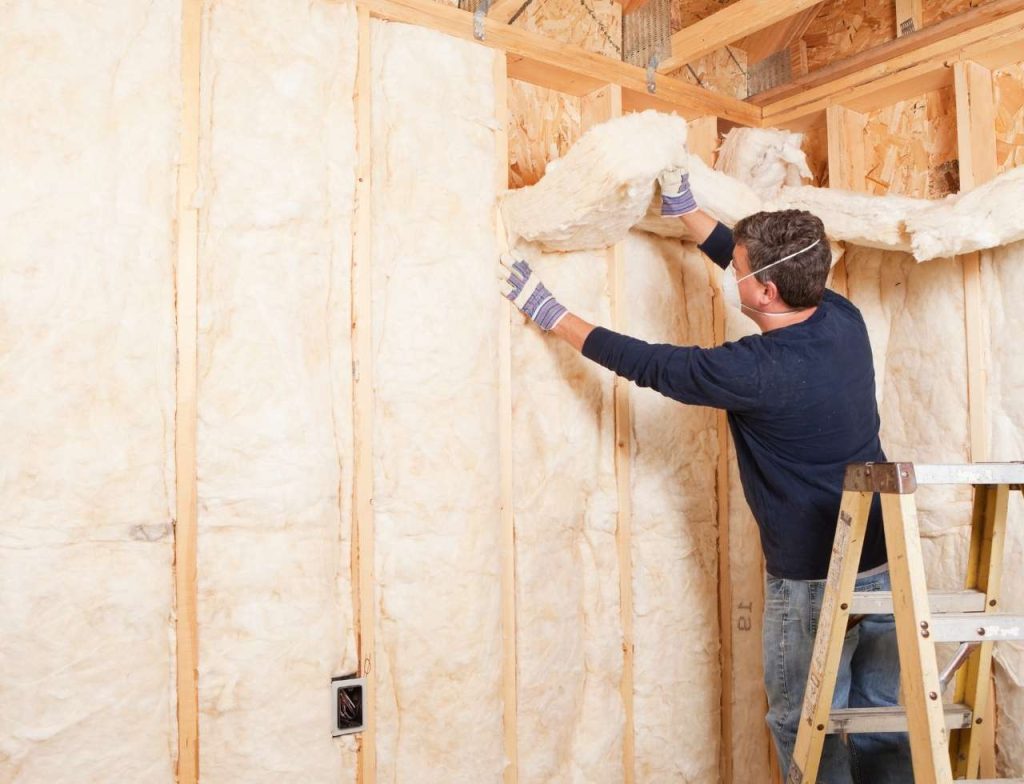
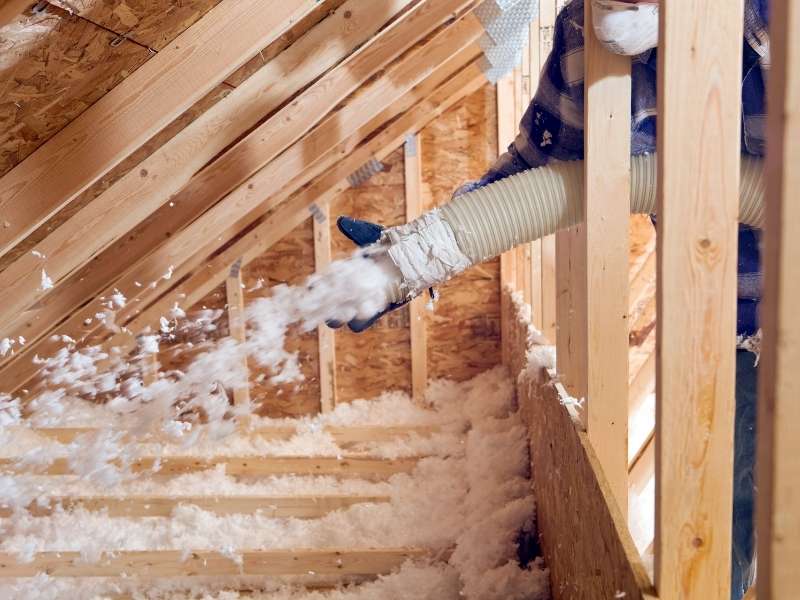
Methods and approach: Blown-in fiberglass or cellulose insulation, or batt insulation depending on attic configuration, installed to achieve the coverage this climate zone calls for.
Burbank application: Given how much of Burbank’s postwar housing carries decades-old, compressed attic insulation, this is often the highest-impact upgrade available for reducing summer cooling costs.
Best for: Homes with original or aging attic insulation, rising cooling bills, and noticeably hot upper floors.
Spray Foam Insulation
What we do: Installation of open-cell or closed-cell spray foam insulation in attics, walls, and other cavities.
Methods and approach: Professional-grade spray foam application that expands to fill gaps and create an air seal, offering both insulation value and air infiltration control.
Burbank application: Spray foam’s air-sealing properties make it especially effective in older Burbank homes with gaps and cracks that contribute to both heat gain and sound transmission.
Best for: Homeowners wanting maximum thermal performance and air sealing in a single installation.
Blown-In Insulation
What we do: Installation of loose-fill fiberglass or cellulose insulation in attics and enclosed wall cavities.
Methods and approach: Machine-blown application that fills irregular spaces and existing cavities more thoroughly than batt insulation in many retrofit situations.
Burbank application: This method works particularly well for topping up thin, compressed attic insulation and for insulating enclosed wall cavities in Burbank’s older homes without removing existing plaster or drywall.
Best for: Attic top-offs, wall cavity retrofits, and irregular spaces that batt insulation doesn’t fit well.
Wall Insulation
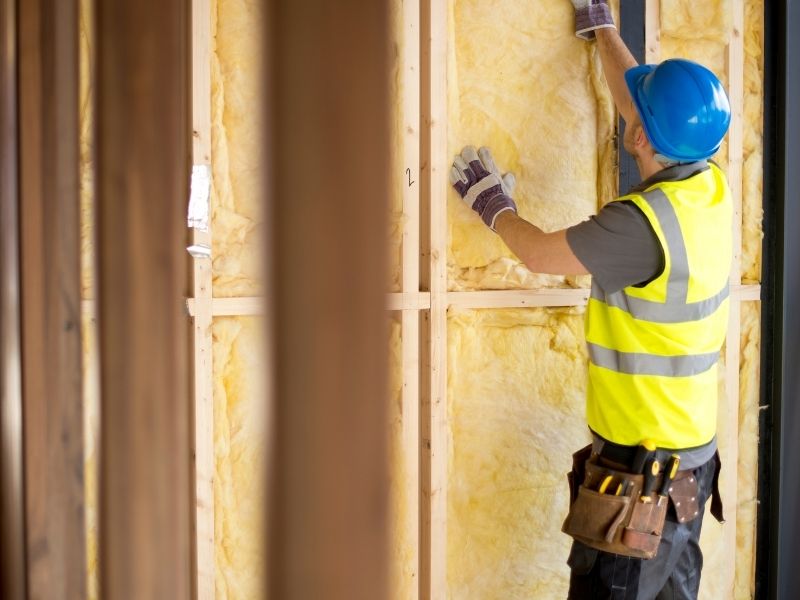
What we do: Insulation of exterior wall cavities in existing homes, typically through small access holes rather than wall removal.
Methods and approach: Injection foam or blown-in insulation installed through strategically placed access points, then patched and finished to match existing plaster or stucco.
Burbank application: Given how many of Burbank’s historic Storybook and Spanish-style homes have empty wall cavities, this upgrade directly addresses a major efficiency gap without disturbing original architectural finishes.
Best for: Homes built before wall insulation was standard practice, generally those from the 1920s through 1960s.
Crawl Space Insulation and Encapsulation
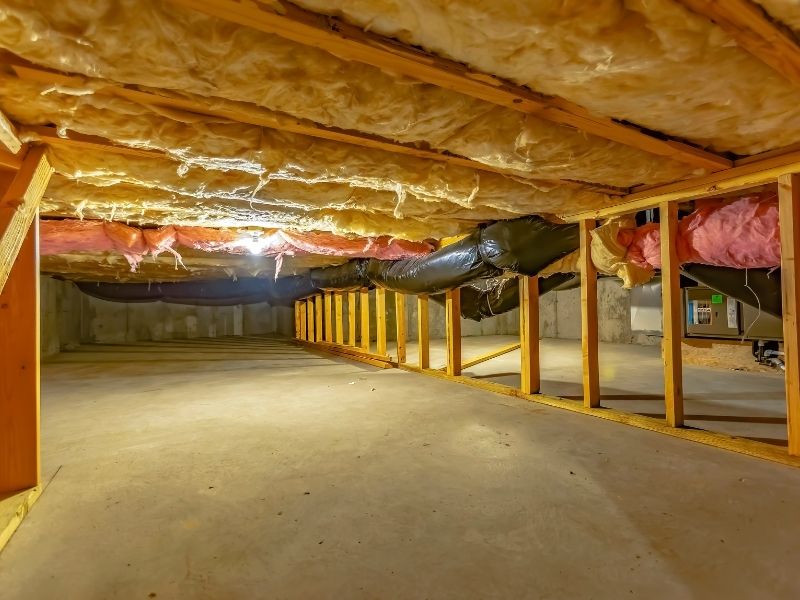
What we do: Installation of vapor barriers, insulation, and moisture control systems in raised-foundation crawl spaces.
Methods and approach: Vapor barrier installation across the crawl space floor, insulation placement, and moisture and pest exclusion measures as needed.
Burbank application: Many of Burbank’s older raised-foundation homes have never had proper crawl space encapsulation, and addressing it improves both floor comfort and overall indoor air quality.
Best for: Raised-foundation homes with cold floors, musty odors, or visible moisture and pest issues below the house.
Garage Insulation
What we do: Insulation of garage walls and ceilings, particularly relevant for garages converted to living space, offices, or studios.
Methods and approach: Batt, blown-in, or spray foam insulation matched to the garage’s current or planned use, with acoustic materials added where sound isolation matters.
Burbank application: With garage conversions common throughout Burbank for home offices and studio space, proper insulation is essential for making that converted space genuinely usable.
Best for: Garage conversions, home studio builds, and homeowners planning a future conversion.
What to Expect: Our Insulation Process in Burbank, CA
We keep every project transparent from the first phone call through final walkthrough, so you know exactly what your home needs and why.
Initial Contact and Scheduling
Timeline: Same-day to next-day response for most inquiries.
What happens: You call or request a free assessment online, describing your concerns, whether it’s high cooling bills, aircraft noise, or a home studio project, and we schedule a visit that fits your schedule.
Burbank-specific considerations: For acoustic projects, we ask about the specific noise source and any professional audio requirements so we can prepare the right assessment approach.
Customer expectations: Just describe what you’re experiencing, and we’ll confirm your appointment by phone or text.
Inspection and Assessment
Timeline: 45 to 90 minutes on-site.
What happens: We inspect the attic, walls, crawl space, and garage as applicable, assessing current insulation levels against Title 24 recommendations and, where relevant, acoustic performance against flight path or studio requirements.
Burbank-specific considerations: For homes near the airport, we assess which rooms are most exposed to flight path noise to prioritize where acoustic treatment will have the most impact.
Customer expectations: No obligation. This visit is always free.
Written Estimate
Timeline: Delivered within 24 to 48 hours.
What happens: You receive a fully itemized estimate outlining recommended insulation upgrades, materials, and expected thermal or acoustic benefits.
Burbank-specific considerations: Estimates reference current Title 24 R-value recommendations and, for acoustic projects, realistic expectations for noise reduction.
Customer expectations: Ask questions freely. We explain every recommendation and why it fits your specific home and goals.
Installation
Timeline: Most residential projects take 1 day, with larger whole-home or studio-build projects taking 2 to 3 days.
What happens: Removal of old or damaged insulation where needed, followed by installation of new insulation material according to the approved plan.
Burbank-specific considerations: We schedule attic work around the coolest parts of the day during summer months for crew safety and efficiency.
Customer expectations: Expect some noise and equipment access around your property. We keep you updated throughout.
Final Walkthrough and Documentation
Timeline: Same day as completion.
What happens: We complete a final walkthrough, confirm the work matches the approved plan, and provide warranty documentation in writing.
Burbank-specific considerations: For acoustic projects, we discuss realistic expectations for ongoing noise reduction and any additional steps that could help further.
Customer expectations: Reach out anytime with questions about your warranty or future insulation needs.
Our Recent Projects
Our work speaks for itself. Here are five recent insulation upgrades:


Burbank's Insulation and Acoustic Specialists
Choosing the right insulation contractor in Burbank means finding one who understands both this city’s older housing stock and its uniquely significant airport noise exposure. Here’s what sets us apart.
Burbank Expertise: We Know This Housing Stock and This Airport We’ve spent more than 10 years installing insulation throughout Burbank and the surrounding area. We know which neighborhoods carry the oldest, thinnest original insulation, how Title 24 R-value standards apply to retrofit projects, and which areas face the most significant noise exposure from Hollywood Burbank Airport’s flight paths. That local knowledge shapes every assessment and recommendation we make.
Acoustic Insulation Specialists, Not Just Thermal Contractors We approach every project through the lens of both thermal performance and acoustic comfort, which matters enormously in a city where airport noise and home studio demand are both genuinely significant factors.
Licensed, Bonded, and Fully Insured We hold a California C-2 Insulation and Acoustical Contractor license and carry full liability and workers’ compensation insurance on every project, protecting your property and giving you peace of mind.
Transparent, Written Estimates You’ll get a written, itemized estimate before any work begins, with every recommendation explained clearly and referenced against current Title 24 standards.
Built for Southern California Heat and Real Acoustic Challenges Our material selection and installation methods account for Burbank’s specific combination of Valley heat, older construction, and genuine flight path noise exposure, not a generic approach borrowed from a different market.
20-Mile Service Radius Around Burbank We serve Burbank and communities throughout a 20-mile radius, so homeowners across this part of the Los Angeles area get the same local expertise and response times.
Warranty-Backed Workmanship Every project is backed by a manufacturer warranty plus our own workmanship guarantee, so you know exactly what’s covered after the work is complete.
Frequently Asked Questions
Can insulation actually reduce aircraft noise from Hollywood Burbank Airport?
Yes, meaningfully, though not completely. Dense acoustic insulation combined with sealing gaps in walls and ceilings can significantly reduce the volume and intrusiveness of aircraft noise, especially for mid- and high-frequency sound, even though very low-frequency rumble from larger aircraft is harder to fully eliminate.
What R-value does my attic need to meet current standards?
California’s Title 24 energy code generally recommends R-38 or higher for attic insulation in this climate zone, and many older Burbank homes currently have significantly less, especially in the city’s historic 1920s-1960s housing stock.
How long does an insulation or soundproofing installation take?
Most residential attic or wall insulation projects take a single day, while acoustic treatments for a home studio or larger whole-home projects can take 2 to 3 days. We give you a realistic timeline as part of your written estimate.
Do I need a permit for insulation work in Burbank?
Insulation-only projects not tied to other permitted construction generally don’t require a separate permit, though any insulation work included as part of a larger remodel or addition must meet Title 24 requirements reviewed through the City of Burbank’s building department, which operates separately from the City of Los Angeles.
Will new insulation actually lower my energy bills?
Yes, in most cases. Homes with insufficient attic or wall insulation can see meaningful reductions in cooling costs after a proper upgrade, since the air conditioning system no longer has to work as hard against heat transferring through under-insulated ceilings and walls.
Service areas
Air Tight Insulation is proud to deliver top-tier insulation solutions across Burbank, CA. With a deep understanding of the state’s unique climate zones and building requirements, we customize every project to maximize energy efficiency and ensure long-lasting performance for homes and businesses alike.
Griffith Park
Studio City
Sherman Oaks
Eagle Rock
Los Feliz
North Hollywood
Toluca Lake
Silver Lake
Hollywood Hills
Atwater Village
Magnolia Park
Valley Village
Hollywood
Glendale
Burbank

Luisa Mendez
Get started with a Free Estimate
Ready to make your home or building more energy-efficient? Get in touch today and experience the Air Tight difference. We’re here to answer your questions, offer honest advice, and provide top-tier insulation services across California.
“I can’t believe how much we saved on our energy bills after they insulated our crawl space. They explained everything clearly and stuck to the quote—super professional!”