
West Covina's Insulation Contractor for San Gabriel Valley Heat
West Covina sits deep enough in the San Gabriel Valley that summer heat here regularly runs hotter than coastal and even some central Los Angeles neighborhoods, with attic temperatures in under-insulated homes climbing well past 150°F. Add in a housing stock built overwhelmingly during West Covina’s explosive postwar growth years, when the city became one of the fastest-growing communities in the country, and a large share of local homes still carry original attic and wall insulation levels far below what today’s energy code recommends. Air Tight Insulation of West Covina exists to close that gap for homeowners across this stretch of the San Gabriel Valley and the broader region we serve.
We’ve spent more than 10 years installing insulation throughout West Covina and a wide service area spanning the San Gabriel Valley, San Fernando Valley, and Orange County, and that means we understand exactly how much San Gabriel Valley heat differs from coastal Los Angeles, how little insulation West Covina’s postwar tract homes typically carry, and what California’s Title 24 energy code requires for any insulation upgrade. Homeowners throughout West Covina, El Monte, and Pomona trust us because we explain exactly what their home needs before we quote it.




Why West Covina Homes Need Serious Insulation Upgrades
Understanding what San Gabriel Valley heat and West Covina’s postwar building boom actually demand from insulation isn’t optional if you want a home that stays comfortable without an oversized cooling bill.
San Gabriel Valley Heat and Inland Temperature Extremes
West Covina sits far enough inland in the San Gabriel Valley that it regularly experiences summer highs exceeding 95-100°F, noticeably hotter than coastal Los Angeles neighborhoods just 20 miles away, and attic temperatures in under-insulated homes here commonly climb past 150°F under direct summer sun. That sustained inland heat pushes straight through under-insulated ceilings and walls into living spaces below, forcing air conditioning systems to run longer and harder than necessary, and homes with insufficient attic insulation can see 20-30% higher cooling costs compared to properly insulated equivalents in this specific heat zone.
A City Built During Explosive Postwar Growth
West Covina’s population and housing stock grew explosively during the postwar decades, and the city was once counted among the fastest-growing communities in the country as tract development rapidly filled in what had been agricultural land. That rapid construction pace means a large share of West Covina’s single-family homes date to the 1950s through the 1970s, often built with minimal attic insulation by today’s standards and little to no wall insulation at all. West Covina’s South Hills neighborhood, developed somewhat later with larger view lots, generally carries better original insulation, though even these homes often fall short of current Title 24 recommendations.
California Title 24 Energy Code Requirements
California’s statewide Title 24 energy code sets specific R-value recommendations for attic, wall, and floor insulation, and any insulation work tied to a permitted remodel or addition in West Covina must meet these standards through the city’s building and safety department. Insulation-only upgrades not tied to other permitted work generally don’t require a separate permit, but meeting Title 24 recommendations remains the standard we encourage for maximum efficiency and eligibility for applicable utility rebate programs.
A Diverse, Multigenerational Community
West Covina and the broader San Gabriel Valley are home to a wide range of homeowners, including many multigenerational households and a significant Filipino-American and broader Asian-American community, and we’re able to provide service that communicates clearly across that diversity while addressing the real cooling cost concerns families here consistently raise.
Common Insulation Problems in West Covina, CA
After more than 10 years and hundreds of insulation projects throughout West Covina and the surrounding San Gabriel Valley, these are the issues we see most often.
Insufficient Attic Insulation From Postwar Tract Construction
What it is: Attic insulation that either was installed at minimal levels during original 1950s-1970s construction or has compressed and lost effectiveness over decades of extreme heat cycling.
Why common in West Covina: The overwhelming majority of West Covina’s housing stock dates to the city’s rapid postwar building boom, when attic insulation standards were far below today’s Title 24 recommendations, and original fiberglass batt insulation naturally compresses over decades, especially under San Gabriel Valley’s intense inland heat.
Signs customers will notice:
- Noticeably hot upper floors even with air conditioning running at full capacity
- Rising summer cooling bills year over year without any change in usage habits
- Visible gaps, thin spots, or compressed insulation when viewing the attic
- Uneven temperatures between rooms, especially those closest to the attic
- Higher energy bills compared to newer homes of similar size
West Covina-specific patterns: Most pronounced throughout the city’s original postwar tract neighborhoods built during the 1950s and 1960s boom years.
Severity assessment: Moderate, becoming a significant ongoing cost issue the longer it goes unaddressed in this heat zone.
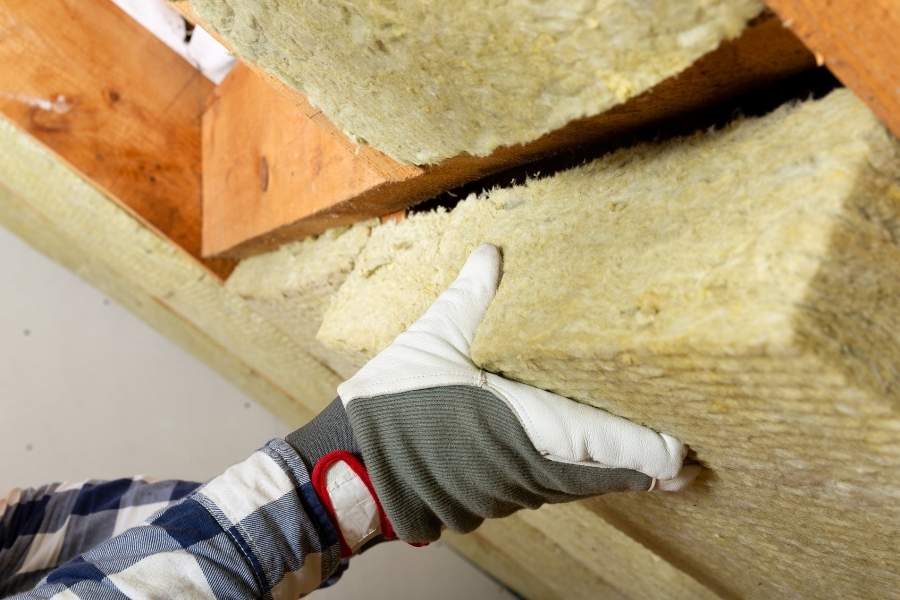
Typical solution: Removal of old, compressed insulation and installation of new blown-in or batt insulation to current Title 24-recommended R-values.
Empty or Minimal Wall Cavities in Original Tract Homes
What it is: Exterior wall cavities with little to no insulation material, common throughout West Covina’s original postwar tract construction.
Why common in West Covina: Homes built during the city’s rapid 1950s-1960s expansion were often constructed quickly and economically, at a time when wall insulation wasn’t yet standard practice in Southern California’s building codes, leaving many original wall cavities essentially empty.
Signs customers will notice:
- Exterior walls that feel warm to the touch during summer heat
- Noticeable drafts near exterior walls despite no visible openings
- Higher energy bills compared to newer homes of similar size
- Difficulty maintaining consistent indoor temperature throughout the home
West Covina-specific patterns: Widespread across the city’s original postwar tract neighborhoods, less common in South Hills’ somewhat newer construction.
Severity assessment: Moderate, a significant ongoing efficiency loss rather than an emergency.
Typical solution: Injection or blown-in wall insulation installed through small access holes without removing existing drywall or stucco.
Heat-Driven HVAC Strain From Poor Attic Ventilation
What it is: Excess attic heat buildup caused by inadequate ventilation combined with insufficient insulation, forcing air conditioning systems to work far harder than necessary.
Why common in West Covina: San Gabriel Valley’s inland heat pushes attic temperatures to extremes that original 1950s-1970s ventilation design was never built to handle, and when that heat isn’t properly vented or blocked by adequate insulation, it radiates directly into living spaces below.
Signs customers will notice:
- Air conditioning that runs almost continuously during summer afternoons
- Noticeably higher electric bills during peak summer months
- Upstairs or top-floor rooms that never quite cool down despite AC running
- Attic access panels that feel extremely hot to the touch
West Covina-specific patterns: Most severe in homes with dark roofing materials and minimal attic ventilation throughout the city’s older neighborhoods.
Severity assessment: Moderate to serious given the direct impact on cooling costs and equipment strain during peak heat season.
Typical solution: Combined attic insulation upgrade and ventilation improvement to reduce heat buildup at its source.
Crawl Space Moisture and Insulation Failure in Older Homes
What it is: Missing, damaged, or moisture-compromised insulation beneath raised-foundation homes, often accompanied by pest intrusion.
Why common in West Covina: A share of West Covina’s older homes were built with raised foundations and crawl spaces rather than concrete slabs, and these spaces frequently have minimal insulation, no vapor barrier, and years of accumulated moisture or pest activity that compromises whatever insulation was originally installed.
Signs customers will notice:
- Cold or drafty floors, especially during cooler months
- Musty odors noticeable in rooms above the crawl space
- Visible pest activity or droppings during a crawl space inspection
- Sagging or damaged insulation visible from the crawl space access point
West Covina-specific patterns: Most common in the city’s older raised-foundation homes rather than newer slab construction.
Severity assessment: Moderate to serious depending on the extent of moisture and pest damage present.
Typical solution: Crawl space encapsulation with a vapor barrier and new insulation installation, paired with pest exclusion where needed.
Inadequate Insulation in South Hills’ Larger Homes
What it is: Attic and wall insulation that, while often more current than original tract-era homes, still frequently falls short of optimal levels given South Hills’ larger square footage and hillside sun exposure.
Why common in West Covina: South Hills’ larger, later-built homes on view lots face intense, direct sun exposure with less mature tree canopy shade than some flatland neighborhoods, and even homes built in more recent decades often carry insulation levels below current Title 24 recommendations for that exposure and square footage.
Signs customers will notice:
- Higher-than-expected cooling costs relative to home size
- Noticeable heat gain in rooms facing direct afternoon sun
- Inconsistent comfort between different levels or wings of a larger home
West Covina-specific patterns: Concentrated in the South Hills neighborhood’s larger, hillside-facing homes.
Severity assessment: Moderate, an efficiency optimization opportunity rather than an urgent repair.
Typical solution: Attic insulation upgrade to current recommended R-values, often paired with radiant barrier consideration for maximum heat reduction.
Poorly Insulated Garage Conversions
What it is: Minimal or missing insulation in garage walls and ceilings, particularly relevant where the garage has been converted into additional living space.
Why common in West Covina: Garages throughout West Covina’s postwar tract homes were rarely insulated to living-space standards, and that gap becomes a real comfort and efficiency issue whenever a garage is converted into a bedroom, in-law suite, or additional living space, a common renovation given the area’s multigenerational households.
Signs customers will notice:
- Noticeably hotter or colder temperatures in a converted garage space
- Higher energy costs after a garage conversion compared to before
- Uncomfortable temperatures inside a converted garage space
- Noise transfer between the garage and adjacent living areas
West Covina-specific patterns: Common throughout neighborhoods with multigenerational households seeking additional living space.
Severity assessment: Moderate, a comfort and efficiency issue especially relevant for garage conversions.
Typical solution: Wall and ceiling insulation installation matched to the garage’s current or intended use.
Comprehensive Insulation Solutions for West Covina, CA
Every service we offer is built around San Gabriel Valley’s intense inland heat and West Covina’s predominantly postwar housing stock.
Attic Insulation
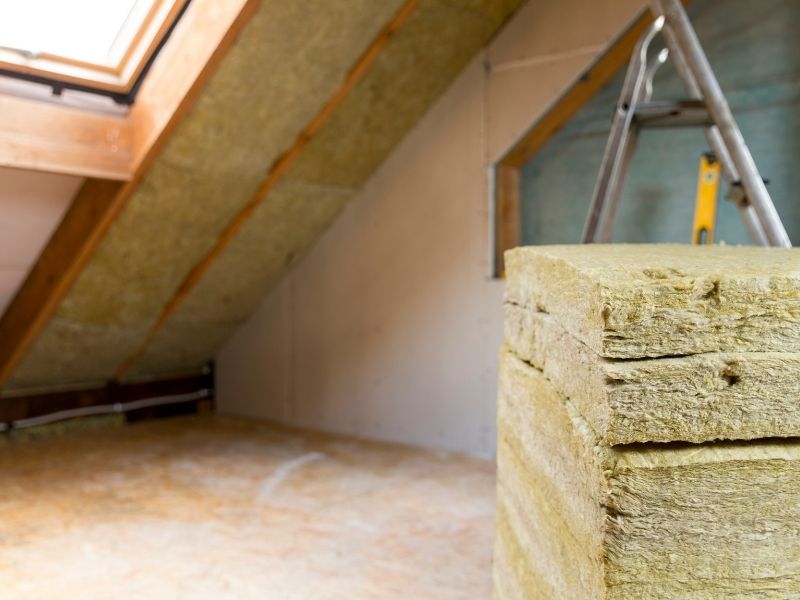
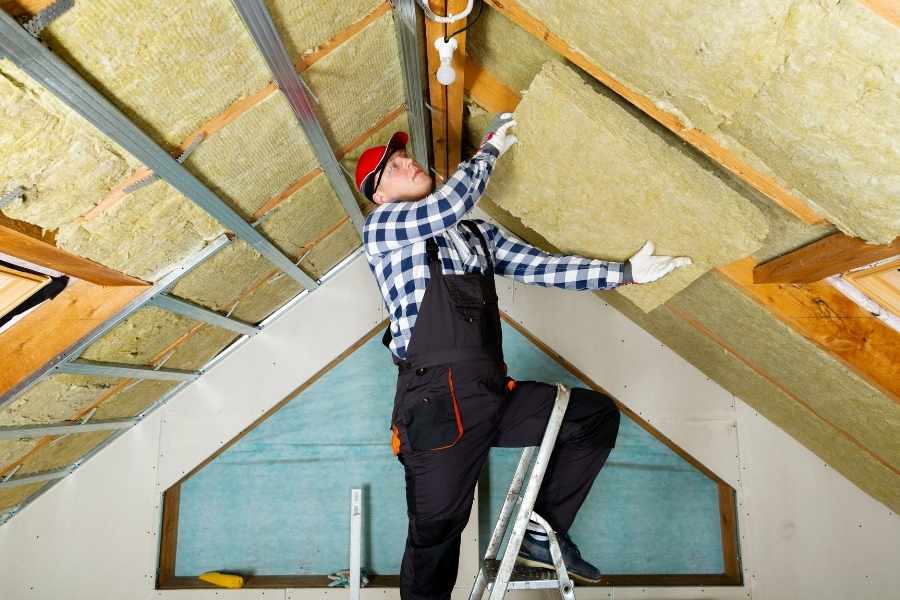
What we do: Assessment, removal of old or damaged insulation where needed, and installation of new attic insulation to current Title 24-recommended R-values.
Methods and approach: Blown-in fiberglass or cellulose insulation, or batt insulation depending on attic configuration, installed to achieve the coverage this heat zone calls for.
West Covina application: Given how much of West Covina’s postwar housing carries decades-old, compressed attic insulation, this is often the single highest-impact upgrade available for reducing summer cooling costs.
Best for: Homes with original or aging attic insulation, rising cooling bills, and noticeably hot upper floors.
Spray Foam Insulation
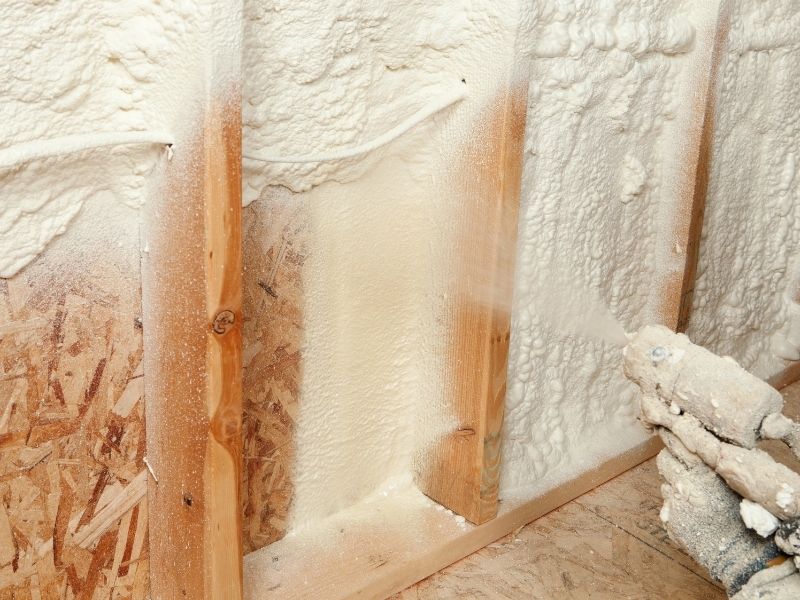
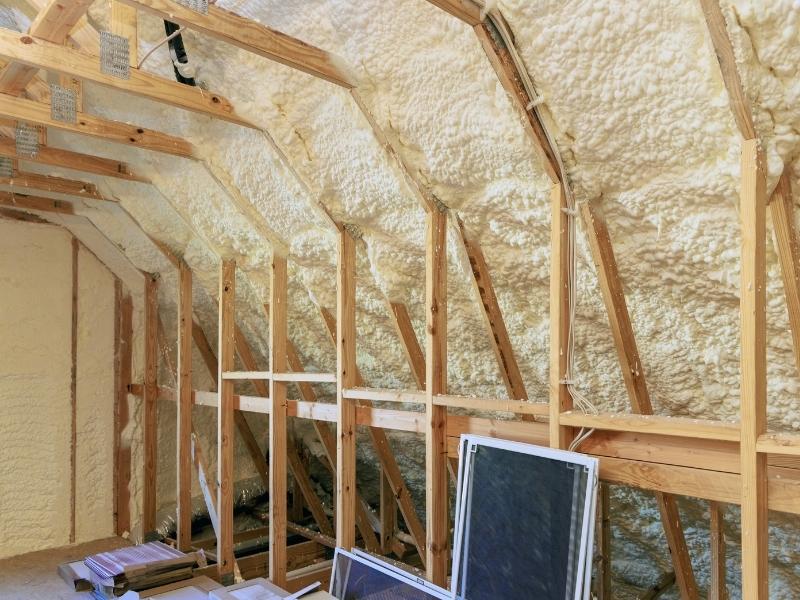
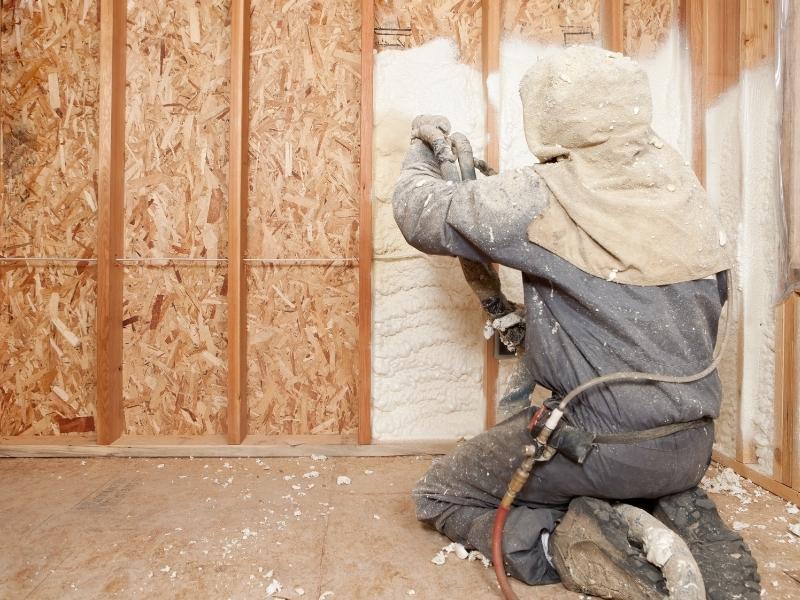
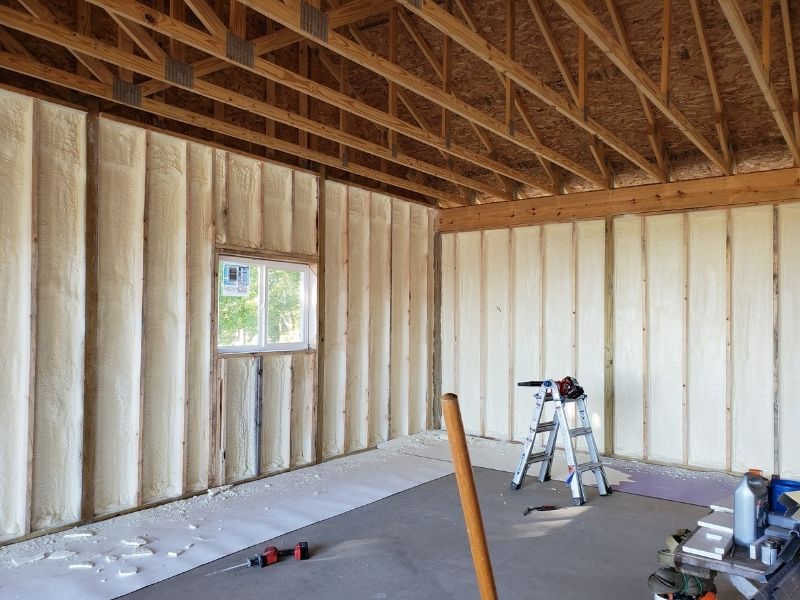
What we do: Installation of open-cell or closed-cell spray foam insulation in attics, walls, and other cavities.
Methods and approach: Professional-grade spray foam application that expands to fill gaps and create an air seal, offering both insulation value and air infiltration control.
West Covina application: Spray foam’s air-sealing properties make it especially effective in older West Covina homes with gaps and cracks that contribute directly to heat gain during peak summer months.
Best for: Homeowners wanting maximum thermal performance and air sealing in a single installation.
Blown-In Insulation
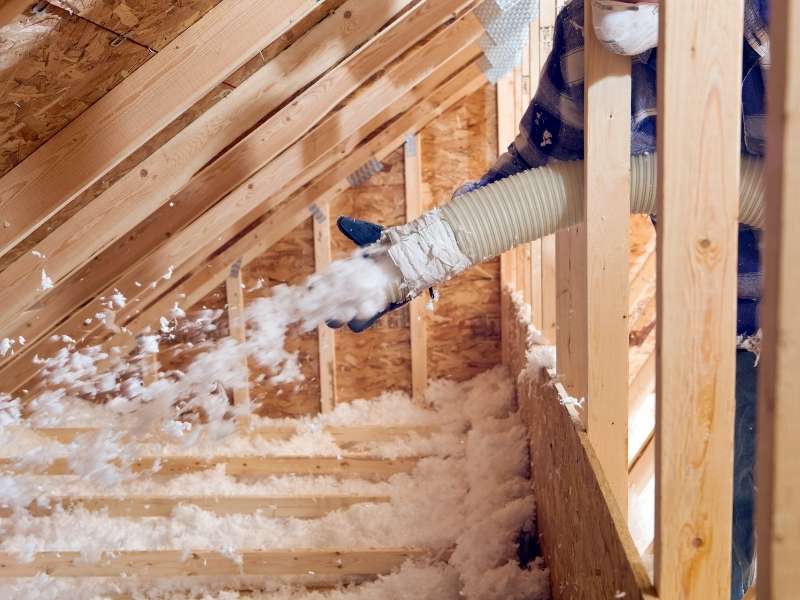
What we do: Installation of loose-fill fiberglass or cellulose insulation in attics and enclosed wall cavities.
Methods and approach: Machine-blown application that fills irregular spaces and existing cavities more thoroughly than batt insulation in many retrofit situations.
West Covina application: This method works particularly well for topping up thin, compressed attic insulation and for insulating enclosed wall cavities in older postwar homes without removing existing drywall.
Best for: Attic top-offs, wall cavity retrofits, and irregular spaces that batt insulation doesn’t fit well.
Wall Insulation
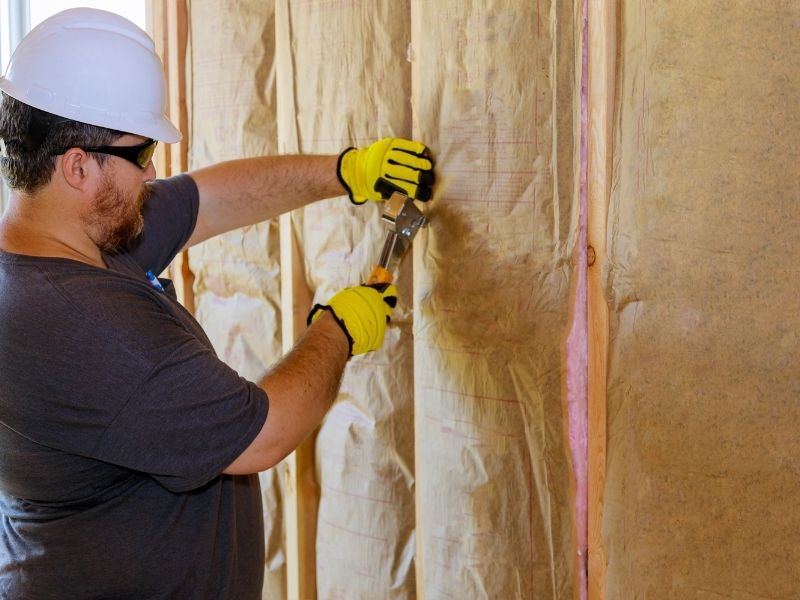
What we do: Insulation of exterior wall cavities in existing homes, typically through small access holes rather than wall removal.
Methods and approach: Injection foam or blown-in insulation installed through strategically placed access points, then patched and finished.
West Covina application: Given how many of the city’s original tract homes have empty or minimally insulated wall cavities, this upgrade directly addresses one of the biggest efficiency gaps in West Covina’s older housing stock.
Best for: Homes built during the 1950s-1970s postwar boom before wall insulation was standard practice.
Crawl Space Insulation and Encapsulation
What we do: Installation of vapor barriers, insulation, and moisture control systems in raised-foundation crawl spaces.
Methods and approach: Vapor barrier installation across the crawl space floor, insulation placement, and moisture and pest exclusion measures as needed.
West Covina application: Many of the city’s older raised-foundation homes have never had proper crawl space encapsulation, and addressing it improves both floor comfort and overall home air quality.
Best for: Raised-foundation homes with cold floors, musty odors, or visible moisture and pest issues below the house.
Soundproofing and Acoustic Insulation
What we do: Installation of acoustic insulation materials in walls and ceilings specifically engineered to reduce sound transmission.
Methods and approach: Dense acoustic insulation batts or spray-applied products designed for sound dampening, often combined with sealing gaps that allow sound leakage.
West Covina application: Homes near major thoroughfares or with multigenerational households sharing close living quarters benefit from acoustic insulation that standard thermal products don’t adequately provide.
Best for: Homes near busy streets, multigenerational households wanting more interior privacy, and shared-wall properties.
Garage Insulation
What we do: Insulation of garage walls and ceilings, particularly relevant for garages converted to living space.
Methods and approach: Batt, blown-in, or spray foam insulation matched to the garage’s current or planned use.
West Covina application: With garage conversions common throughout West Covina’s neighborhoods to accommodate growing or multigenerational households, proper insulation is essential for making that converted space genuinely comfortable.
Best for: Garage conversions, in-law suite projects, and homeowners planning a future conversion.
BOOK YOUR FREE INSULATION ESTIMATE TODAY!
Call 858-682-2403 now and let Air Tight Insulation of West Covina help you reduce energy bills and increase comfort—fast, affordable, and reliable!
What to Expect: Our Insulation Process in West Covina, CA
We keep every project transparent from the first phone call through final walkthrough, so you know exactly what your home needs and why.
Initial Contact and Scheduling
Timeline: Same-day to next-day response for most inquiries.
What happens: You call or request a free assessment online, describing your concerns, whether it’s high cooling bills, a garage conversion, or general comfort issues, and we schedule a visit that fits your schedule.
West Covina-specific considerations: We prioritize scheduling around Southern California’s peak summer heat season when San Gabriel Valley attic access and cooling cost concerns are most urgent.
Customer expectations: Just describe what you’re experiencing, and we’ll confirm your appointment by phone or text.
Inspection and Assessment
Timeline: 45 to 90 minutes on-site.
What happens: We inspect the attic, walls, crawl space, and garage as applicable, assessing current insulation levels against Title 24 recommendations for this specific heat zone.
West Covina-specific considerations: We check attic ventilation carefully given how extreme San Gabriel Valley heat pushes original 1950s-1970s ventilation design to its limits.
Customer expectations: No obligation. This visit is always free.
Written Estimate
Timeline: Delivered within 24 to 48 hours.
What happens: You receive a fully itemized estimate outlining recommended insulation upgrades, materials, and expected efficiency benefits.
West Covina-specific considerations: Estimates reference current Title 24 R-value recommendations so you understand exactly how your home compares to current standards.
Customer expectations: Ask questions freely. We explain every recommendation and why it fits your specific home.
Installation
Timeline: Most residential projects take 1 day, with larger whole-home projects taking 2 to 3 days.
What happens: Removal of old or damaged insulation where needed, followed by installation of new insulation material according to the approved plan.
West Covina-specific considerations: We schedule attic work around the coolest parts of the day during summer months for crew safety and efficiency in this extreme inland heat.
Customer expectations: Expect some noise and equipment access around your property. We keep you updated throughout.
Final Walkthrough and Documentation
Timeline: Same day as completion.
What happens: We complete a final walkthrough, confirm the work matches the approved plan, and provide warranty documentation in writing.
West Covina-specific considerations: We note the R-value achieved so you have documentation useful for any applicable utility rebate programs.
Customer expectations: Reach out anytime with questions about your warranty or future insulation needs.
West Covina’s Insulation Specialists
Choosing the right insulation contractor in West Covina means finding one who understands both San Gabriel Valley’s extreme inland heat and the city’s postwar housing stock. Here’s what sets us apart.
West Covina Expertise: We Know San Gabriel Valley Heat We’ve spent more than 10 years installing insulation throughout West Covina and across a wide Southern California service area. We know which postwar tract neighborhoods carry the thinnest original insulation, how South Hills’ larger homes need a different approach, and how extreme this specific inland heat zone gets compared to coastal Los Angeles. That local knowledge shapes every assessment and recommendation we make.
Energy Efficiency Specialists for Extreme Inland Heat We approach every project with San Gabriel Valley’s genuinely intense summer heat in mind, not a generic Southern California climate assumption borrowed from milder coastal areas.
Licensed, Bonded, and Fully Insured We hold a California C-2 Insulation and Acoustical Contractor license and carry full liability and workers’ compensation insurance on every project, protecting your property and giving you peace of mind.
Transparent, Written Estimates You’ll get a written, itemized estimate before any work begins, with every recommendation explained clearly and referenced against current Title 24 standards.
Multilingual Service for a Diverse Community We’re able to communicate clearly with West Covina’s diverse, multigenerational homeowner community, making sure every household gets a clear explanation of their options.
Wide Southern California Service Coverage We serve West Covina and a broad service area spanning the San Gabriel Valley, San Fernando Valley, and Orange County, giving customers across multiple regions access to the same expertise.
Warranty-Backed Workmanship Every project is backed by a manufacturer warranty plus our own workmanship guarantee, so you know exactly what’s covered after the work is complete.
Frequently Asked Questions
How do I know if my West Covina home needs more insulation?
Rising cooling bills without a change in usage, noticeably hot upper floors even with air conditioning running, and visibly thin or compressed insulation in the attic are all strong signs. Given how much of West Covina’s housing dates to the postwar tract era, most homes built before the 1980s benefit from an insulation upgrade.
Why does West Covina get so much hotter than coastal Los Angeles?
West Covina sits deep in the San Gabriel Valley, far enough inland to miss the coastal marine layer that moderates temperatures closer to the ocean, which is why summer highs here regularly run 10 or more degrees hotter than beach-adjacent neighborhoods just 20 miles away.
What R-value does my attic need to meet current standards?
California’s Title 24 energy code generally recommends R-38 or higher for attic insulation in this climate zone, and many older West Covina homes currently have only R-7 to R-11, meaning a substantial upgrade opportunity for most original postwar construction.
How long does an insulation installation take?
Most residential attic or wall insulation projects take a single day, while larger whole-home projects or South Hills’ bigger homes can take 2 to 3 days. We give you a realistic timeline as part of your written estimate.
Will new insulation actually lower my energy bills?
Yes, in most cases. Homes with insufficient attic or wall insulation can see meaningful reductions in cooling costs after a proper upgrade, since the air conditioning system no longer has to work as hard against heat transferring through under-insulated ceilings and walls in this intense inland heat.
Real Results, Happy Clients
“Air Tight Insulation helped reduce our electric bill by 30%! The attic work was clean, quick, and affordable.”
— Vanessa G., West Covina
Serving West Covina and Surrounding Communities
Rather than a single mileage radius, our coverage spans a defined set of Southern California communities across several regions.
Azusa
Baldwin Park
Covina
El Monte
La Puente
West Covina
Hacienda Heights

Get Your Free Estimate Today
Call Air Tight Insulation of West Covina at 858-682-2403 or fill out our online form to schedule your free consultation. We’ll help you save money and create a more comfortable living space—starting today.